Intertek-ATI plan approval

Intertek-ATI California FBH plan approval evidence: what R-22345 and R-22348 mean.

The supplied product packets show Intertek-ATI Factory-Built Housing approval references for the 3L and 1L models. This page explains how hard that evidence is to create, what it helps prove, and what it does not replace.

What is it?

A third-party design review packet, not a decorative badge.

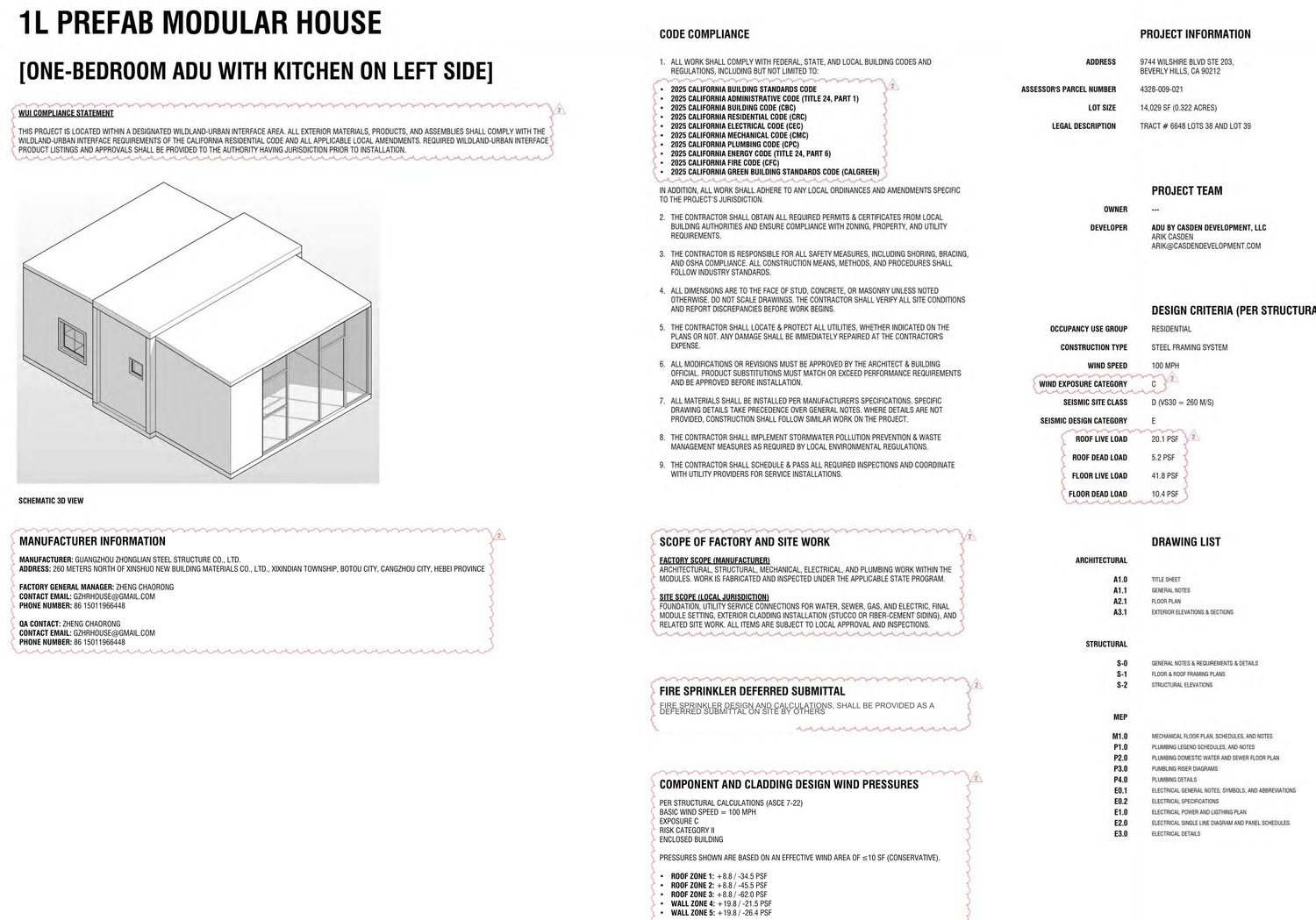
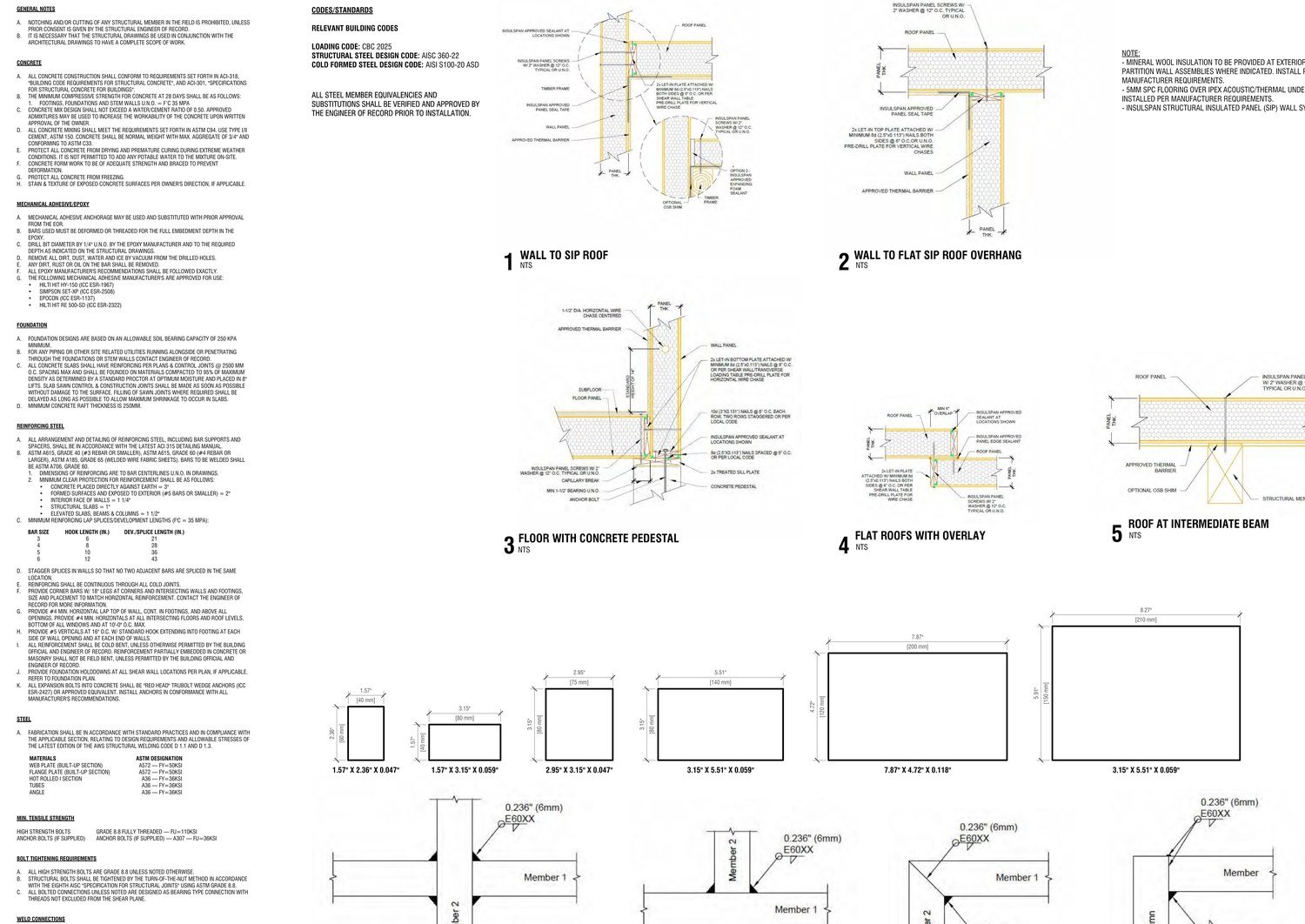
The R-22345 and R-22348 packets begin with Intertek-ATI letterhead addressed to California HCD's Manufactured Housing / Factory Built Housing division. The letters state that Architectural Testing, Inc. / Intertek-ATI completed engineering code review for the referenced documents and that the approval stamp appears on the packet pages. The packets also state the approval covers the factory-built structure only and that on-site items remain subject to local authority review and approval.

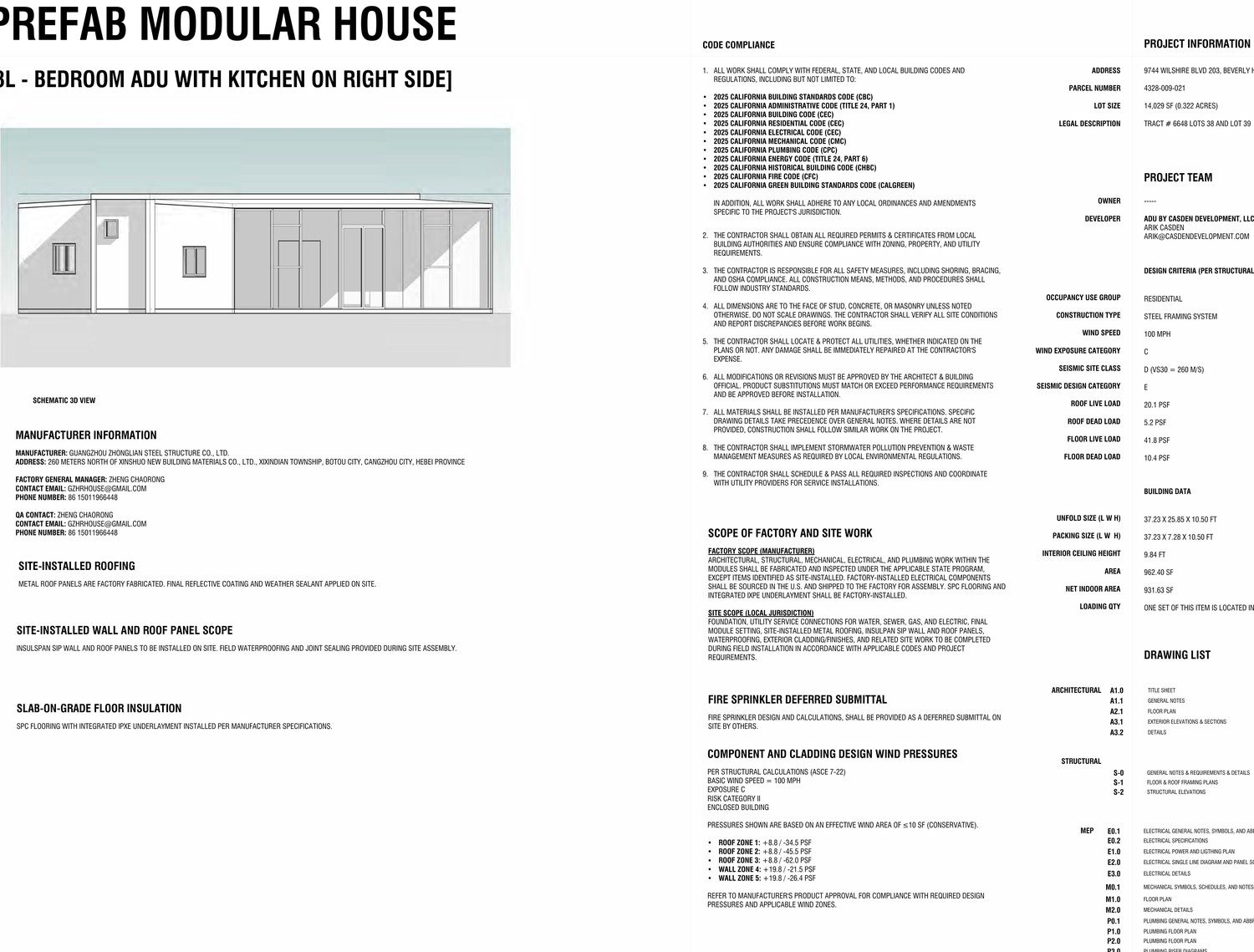
This matters because it gives the product a real review trail. A buyer, designer, city reviewer, or installer is not being asked to trust only a rendering or a sales brochure. They can see model-specific packet identifiers, approval dates, expiration dates, plan sheets, and structural snapshots. That makes the product more reviewable and more serious than a bare "prefab ADU" claim.

The hard boundary is just as important as the approval. The supplied letters do not approve a foundation, site work, utility tie-ins, local setbacks, fire access, grading, or final occupancy for a buyer's address. A strong site should say that plainly because the truth is part of the sales advantage.

3L packetR-22345Three-bedroom model path.
1L packetR-22348One-bedroom model path.
Approval date shown2026-07-15From supplied packet text.
Expiration shown2029-07-14From supplied packet text.

How hard is it?

High difficulty: it requires a model, plans, calculations, review, and controlled changes.

01

Prepare a complete model package

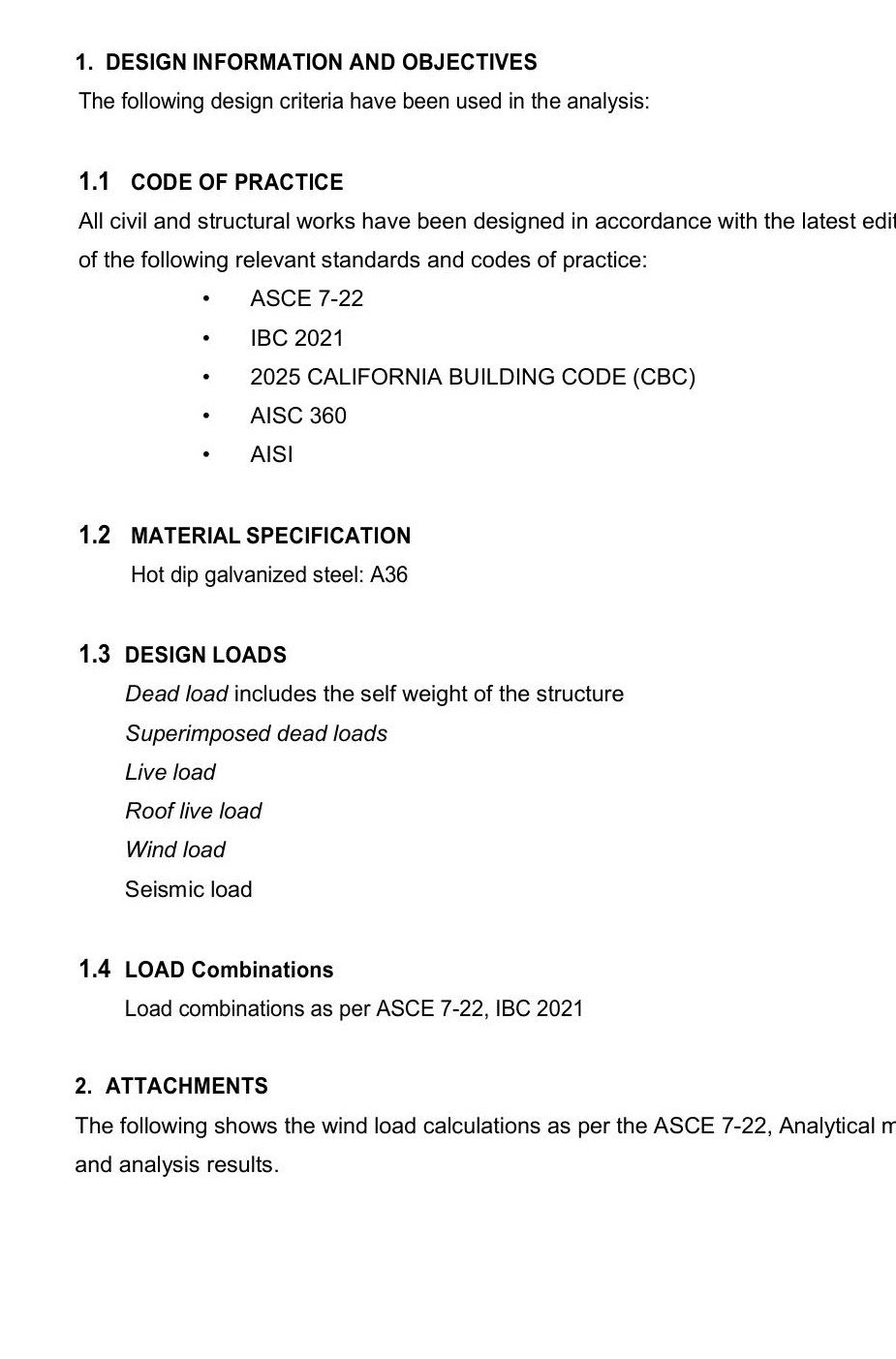
The manufacturer and design team need a defined model, architectural drawings, structural design criteria, MEP coordination, product data, and code references. This is hard because the packet must describe a repeatable factory-built product rather than one loose backyard idea.

02

Submit through a certified review lane

HCD's handbook explains that each Factory-Built Housing model or design designated for sale in California needs plan approval, and that a certified Design Approval Agency reviews the designs and supporting calculations. That puts real professional review between the brochure and the buyer.

03

Keep field changes controlled

The supplied approval letters identify the factory-built structure boundary and warn that alterations to the factory-built structure onsite can affect approval. That means site teams cannot casually change structural or system items and still pretend the packet remains untouched.

04

Carry the packet into local permitting

The packet becomes a communication tool for the local plan-check and installation team. It helps local reviewers understand the state-reviewed product while keeping address-specific requirements in the local permit lane.

05

Reconfirm before purchase

A buyer should ask which model number applies, whether the approval is still within date, which plan sheets are current, what installation instructions apply, and whether the exact delivered configuration matches the reviewed packet.

06

Document closeout

At the end of a project, the approval packet, local permit, inspection signoffs, state insignia evidence, and contractor documentation should live together. That is the proof chain a serious owner wants.

Buyer language

The safe claim: state-reviewed product evidence, not site-ready permit issuance.

ADU Cost should say the packets provide California Factory-Built Housing plan approval evidence for the referenced model paths. It should not say the product is approved for every lot, every city, every foundation, every utility layout, or every final installed condition.