The core boundary
City approval is property-specific, not product-only.
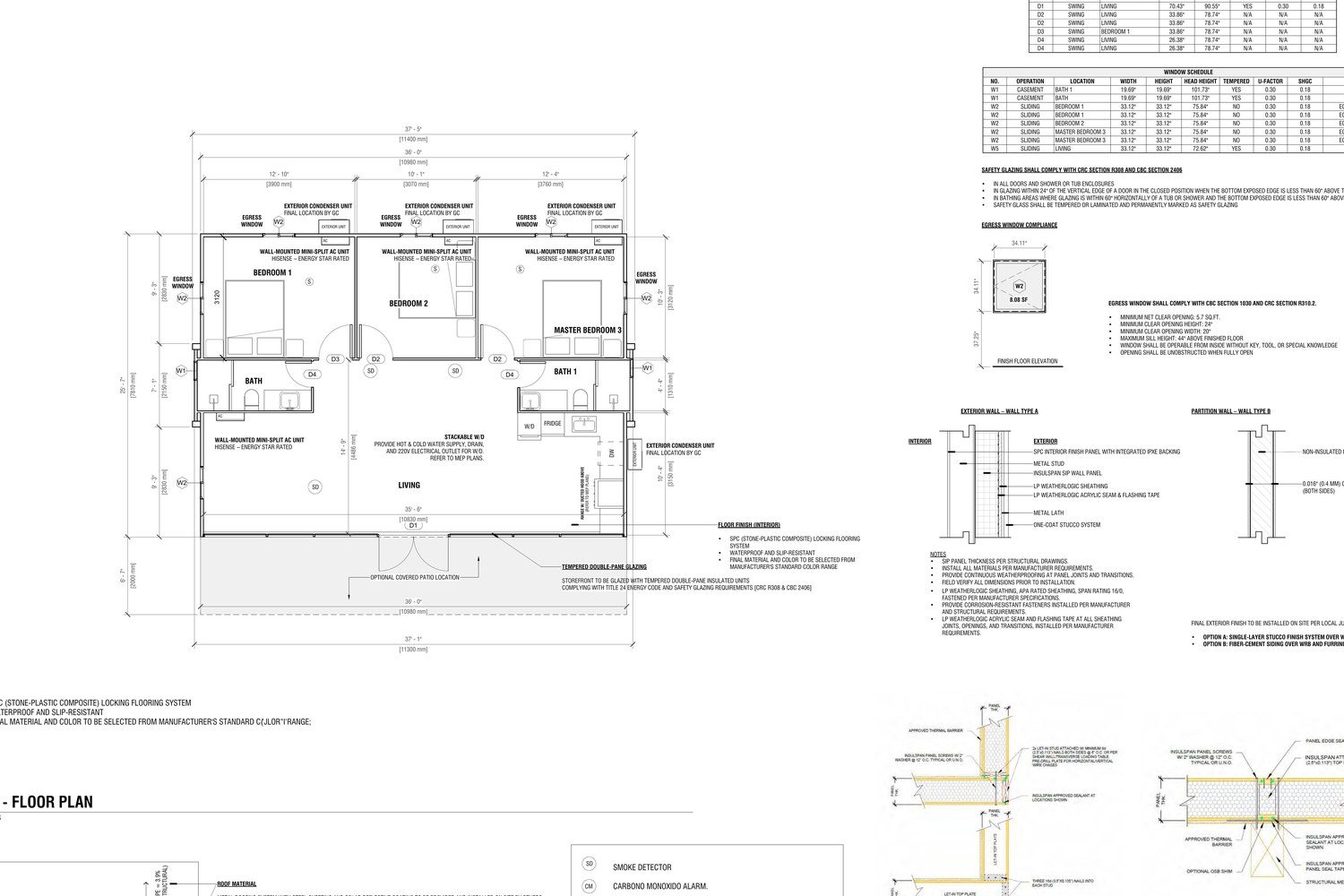
California has strong statewide ADU rules, but every real installation still has an address, a parcel, a placement area, setbacks, utilities, foundation conditions, drainage, fire access, and inspection sequencing. That is why a factory-built approval packet should be treated as product evidence, not as a substitute for local plan review.
HCD's FBH handbook explains that FBH dwellings are under the jurisdiction of local planning and building departments for installation and assembly once onsite. The same handbook places local zone use, setbacks, property lines, site development, building permits, on-site utilities, grading, foundation, and local inspections into the local enforcing agency lane. That is the page's central message for buyers.
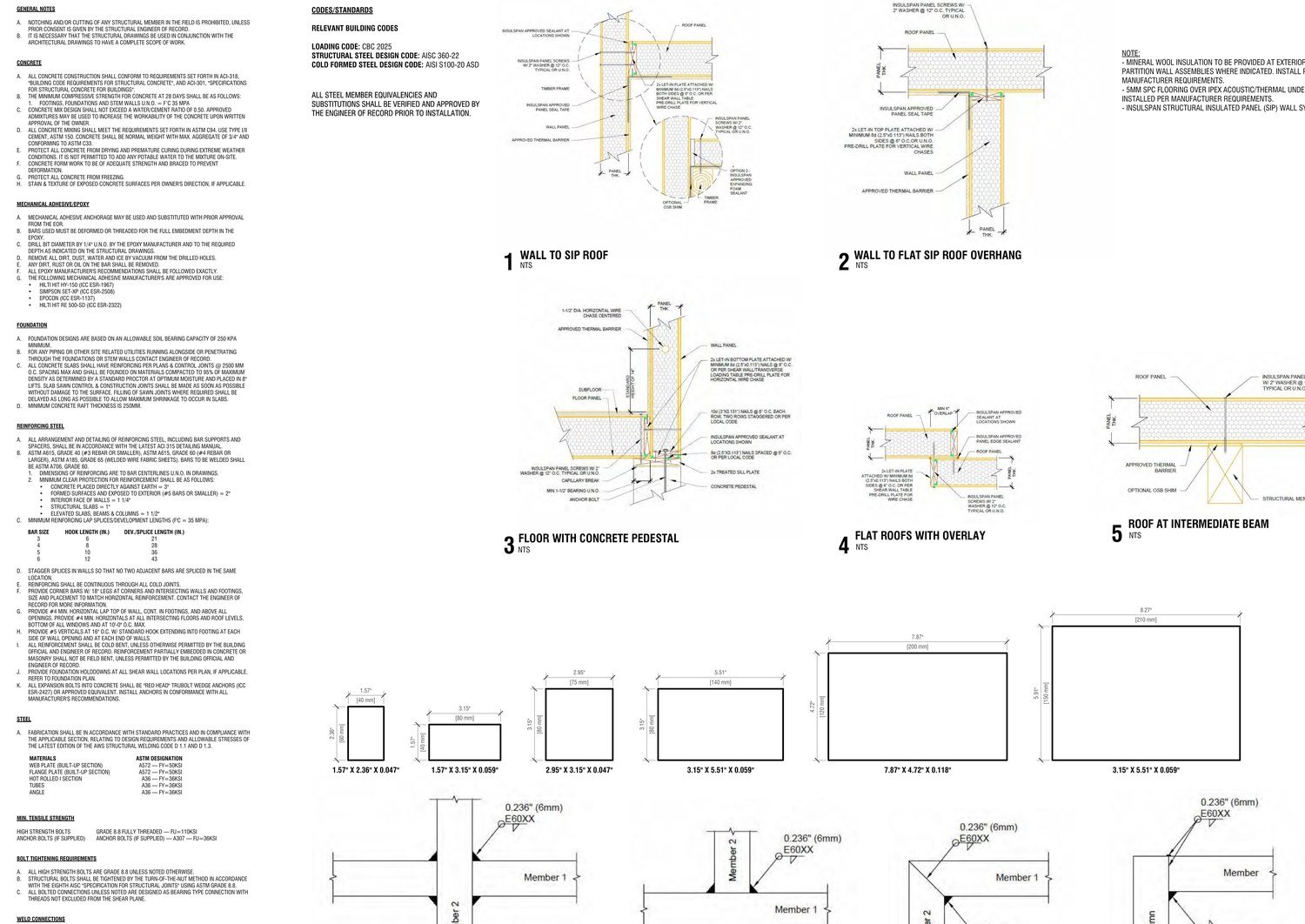
The product can still be powerful. A clear R-22345 or R-22348 packet gives the city reviewer, installer, designer, and owner a better starting point than a blank concept. It can reduce confusion by separating the factory structure from the site work. But a buyer should not hear "state-approved" and assume "ready to install tomorrow." A responsible local approval path starts with the exact jurisdiction and exact parcel facts.