California state approval

California Factory-Built Housing approval for the ADU product packet.

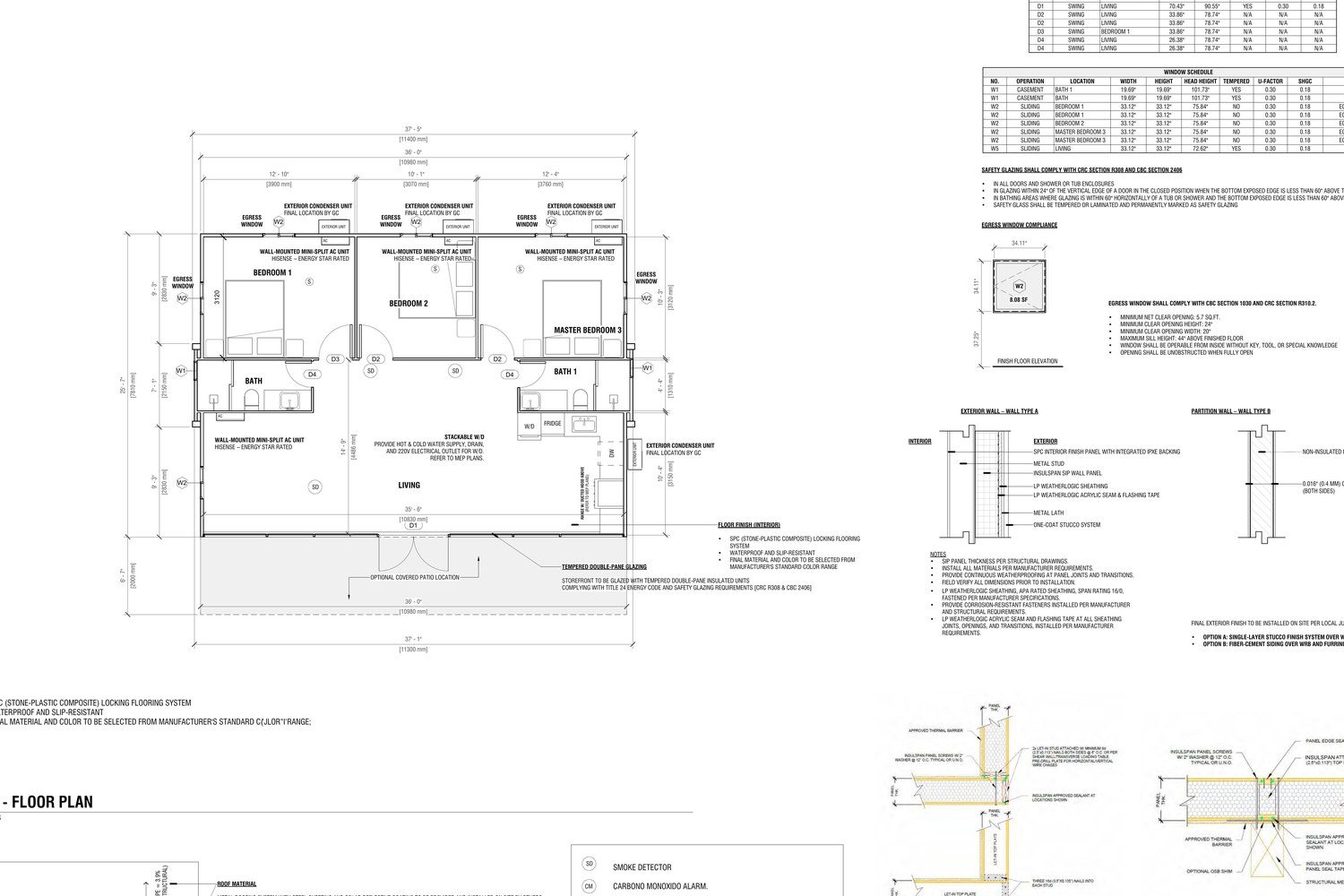
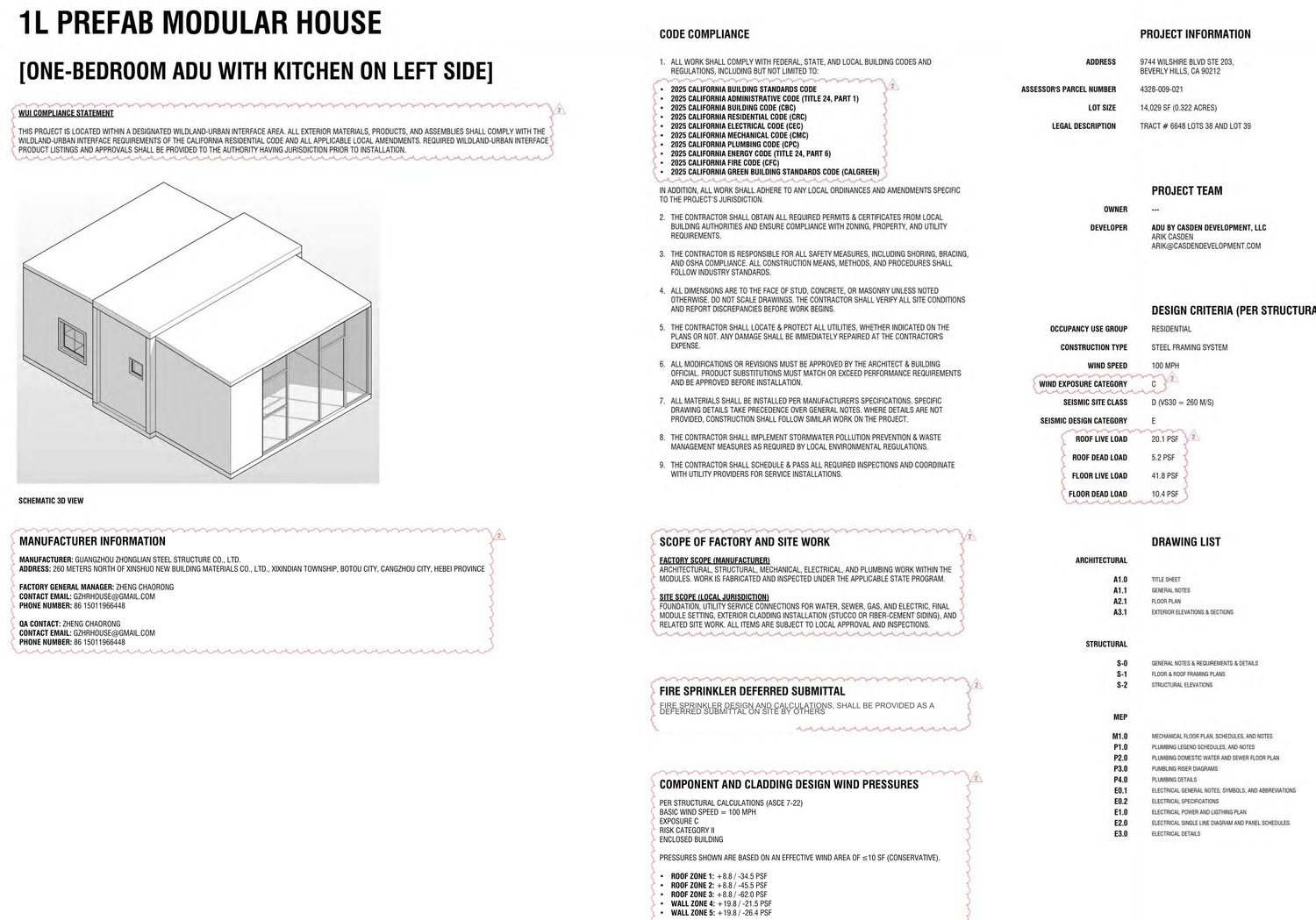
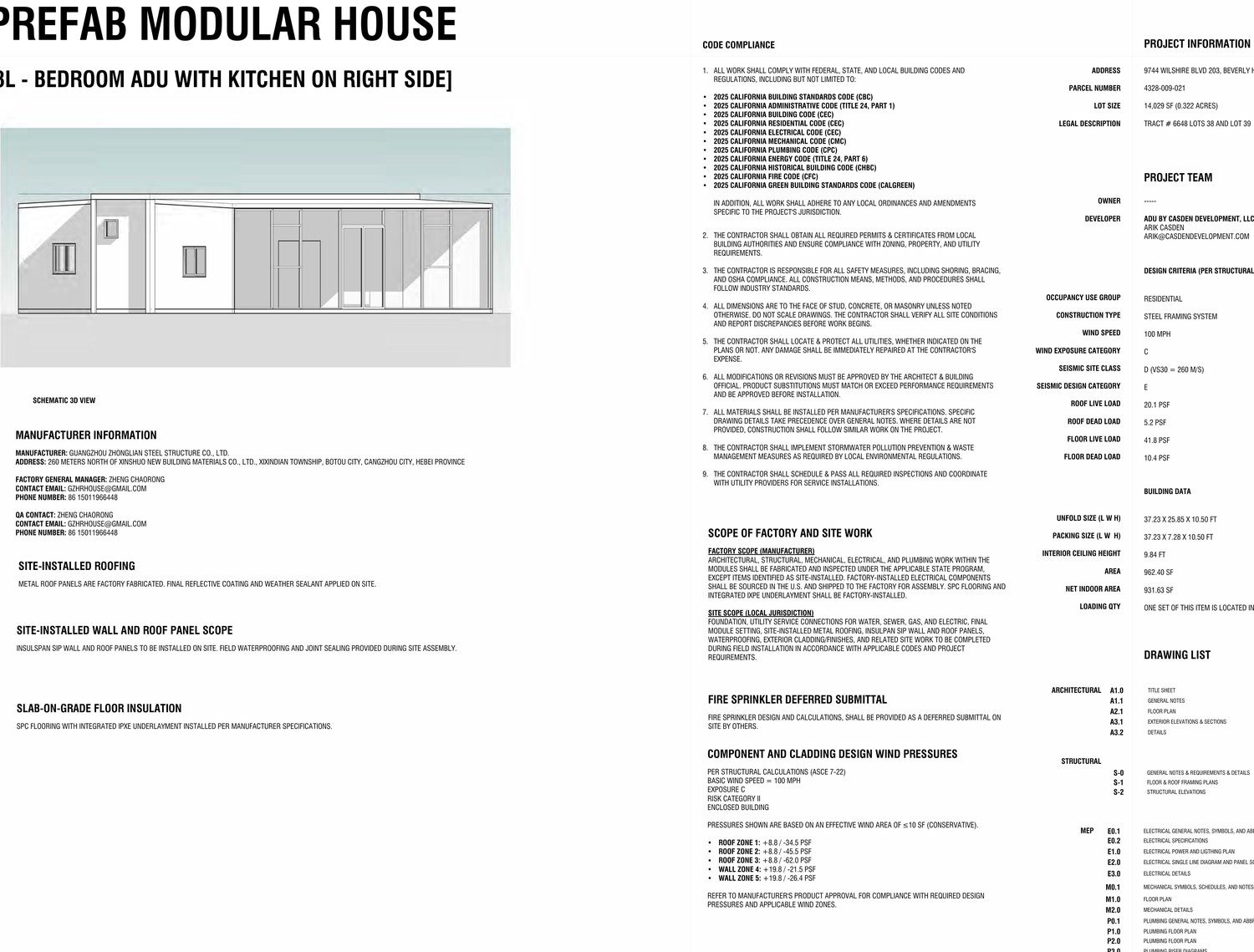
This page explains the state-level approval lane behind the supplied R-22345 and R-22348 ADU packets: what HCD Factory-Built Housing review is, why an approval identifier matters, why an insignia matters, and where the local city permit still begins.

What is different here

A documented FBH path is stronger than a generic prefab claim.

Many ADU pages show a rendering, a rough square-foot price, and a promise that the unit is fast. That is not enough for a serious California buyer. A factory-built housing product must be understood through a state program, an approved model package, a manufacturing quality path, and a local installation path. The supplied R-22345 and R-22348 packets give this site a real evidence base to discuss the product as more than a picture.

California HCD describes Factory-Built Housing as a factory-constructed version of a site-built residential building that is manufactured and then transported to a permanent installation location. HCD says its FBH program helps protect the health and safety of people using or buying factory-built homes and building components. That is the correct framing for this product: the state lane supports the factory-built structure, while the property-specific work still has to be reviewed where the ADU will actually sit.

The important sales discipline is this: state factory-built approval is a strong trust signal, but it is not the same thing as a completed project permit. ADU Cost uses the state approval packet to help a buyer, designer, installer, or owner-builder start the conversation with better facts. It does not claim that any city has approved a final placement, foundation, utility connection, setback condition, fire access condition, grading plan, or inspection closeout.

Product packetR-223453L three-bedroom path
Product packetR-223481L one-bedroom path
Approval date shown2026-07-15From supplied packets
Expiration shown2029-07-14From supplied packets

How the state lane works

What it usually takes to make this kind of approval real.

01

Define the model and code basis

The manufacturer and design team must define the unit or component as factory-built housing, prepare model-specific architectural and engineering documents, and show the code basis for the factory-built structure. This is where the product stops being a loose concept and becomes a repeatable package.

02

Submit plans and calculations

HCD materials describe plan approval for each FBH model or design designated for sale in California. The review is performed by an HCD-certified Design Approval Agency, which checks the design and supporting calculations against California Building Standards Code and FBH rules.

03

Operate a quality path

The factory does not just send drawings into the world. The FBH program includes quality assurance and in-plant inspection responsibilities. HCD-approved Quality Assurance Agencies and other approved inspection parties can monitor manufacturing against the approved plans.

04

Affix the HCD insignia

HCD says FBH units and components offered for sale in California must bear an HCD insignia of approval before shipment, and HCD's insignia page says insignia are issued through an HCD-approved Quality Assurance Agency for units with prior plan approval.

05

Deliver the packet to the local team

The state packet should travel with the project because local officials, the installer, and the owner need to understand what was approved at the factory level and what remains to be checked on the property. Installation instructions and approved plan details become coordination tools.

06

Keep city review separate

Local departments still handle building permits, site development, foundation, utilities, inspections, and jurisdiction-specific rules. The cleanest project path keeps the state FBH proof and the local permit proof as two separate lanes that meet before installation.

Official sources

Research basis used for this page.

The page is grounded in official California sources and the supplied product packets. It avoids saying the product has a local permit until a separate city or county approval document exists for a specific property.

Do not overclaim

State approval is evidence. It is not the whole project.

The supplied R-22345 and R-22348 packets help a buyer see that the product has a serious state factory-built documentation path. They do not prove that a particular lot is ready, that a city has issued a permit, that utilities are sufficient, or that a completed installed quote is known.