
R-22348 PDF
Why the compact model still needs a document story
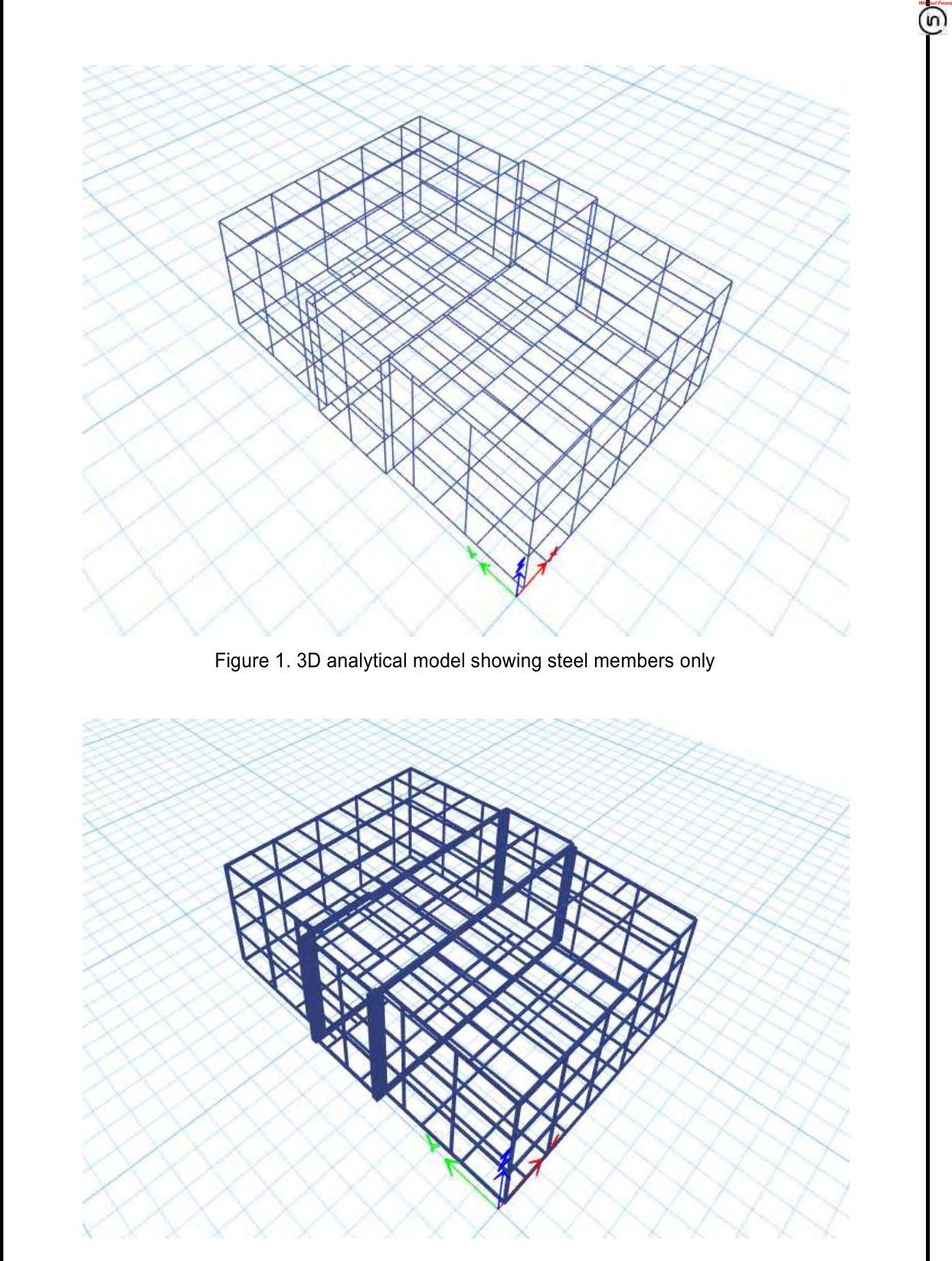
The 1L path is easier for buyers to understand because it feels simple: a smaller unit, a tighter footprint, and a clearer rental or guest-suite use case. The R-22348 packet shows why the sales conversation still needs technical evidence. The PDF includes approval identity, wind-pressure material, ASCE 7-22 references, equipment notes, and model-analysis visuals that keep the compact option from looking like a lightweight brochure item.
How to explain wind and structure without overclaiming
The PDF text references Risk Category II, Exposure C, and a 100 mph wind basis in the analysis material. Those are useful buyer-education facts. They should not be turned into a promise that every parcel, exposure condition, foundation, anchorage, or local code interpretation is already solved. The right website language is that the product packet includes structural review material that a project team can use as a starting point.
How it affects buyer qualification
The 1L model may attract buyers searching for a cheaper ADU, but fixed costs can still dominate. Permit review, utility trenching, panel capacity, foundation work, crane access, and setting logistics may not shrink in a straight line with the unit. This page should steer those buyers into the calculator with better expectations.
What a buyer should ask
A buyer should ask whether the estimate is using the R-22348 1L path, whether all local fixed costs are visible, whether the heating, plumbing, electrical, and ventilation notes are included in the supplied scope, and whether site-specific work has been separated from the factory package. That is how ADU Cost earns higher-quality leads instead of low-intent price shoppers.
How this creates better traffic.
Search traffic is only valuable when it brings the right buyer. A thin ADU page attracts people who only ask for a number. A PDF-based page attracts people who are already thinking about approval evidence, finish proof, local permit boundaries, energy notes, equipment scope, and installed-cost risk. Those buyers submit better notes and are easier to qualify.
That is why the page links into the calculator rather than ending with a vague sales pitch. The reader can turn the document into a working estimate by keeping known costs, unknown allowances, and source-proof questions separate.